Category: Branding & Design
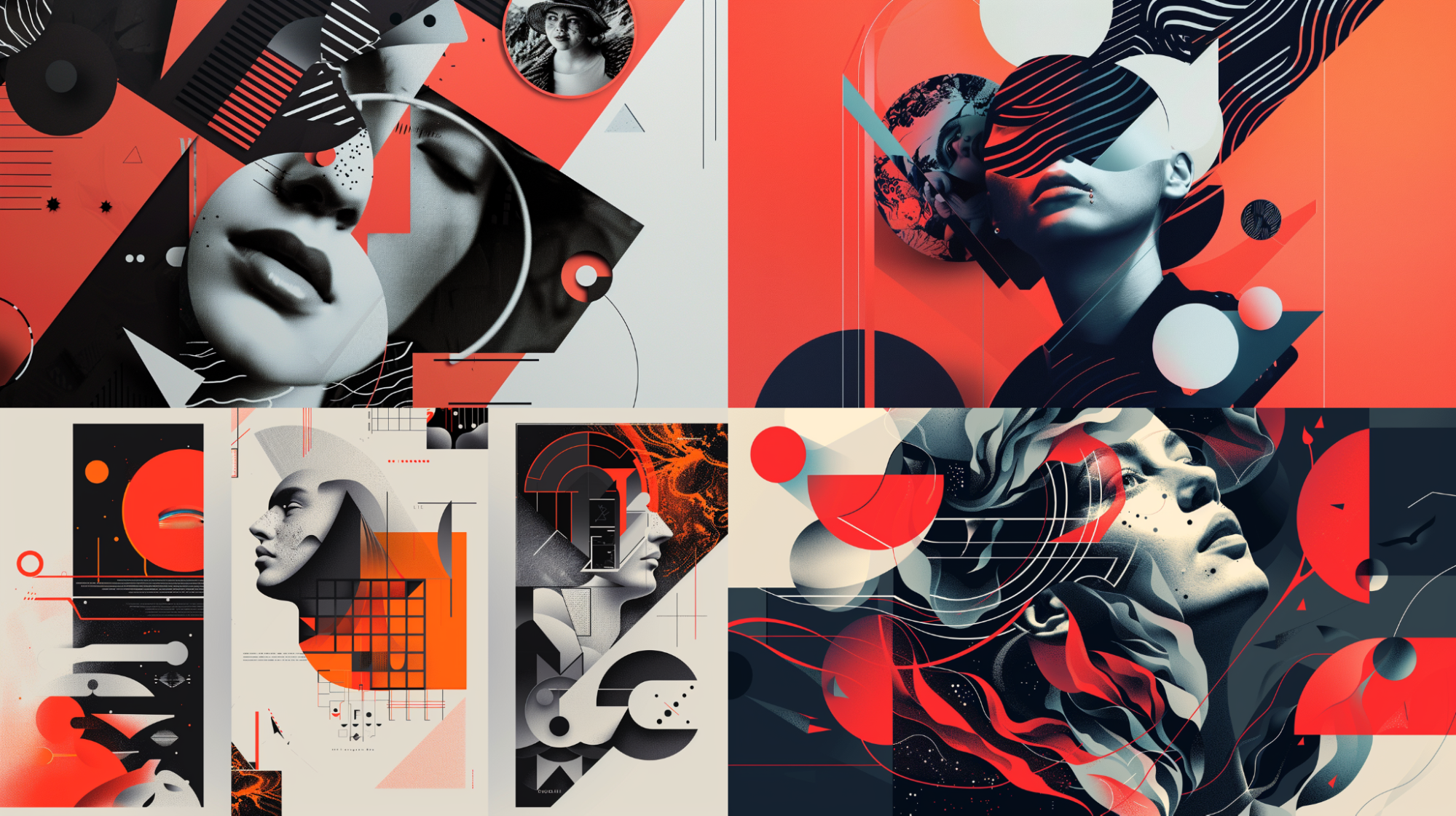
Design trends evolve constantly, reflecting cultural shifts, technological advances, and changing aesthetic preferences. Staying current with trends helps brands remain relevant and fresh while connecting with contemporary audiences. But trends should inform, not dictate; the best designs balance current aesthetics with timeless principles.
At Extatic Design, we track design trends carefully while creating work that transcends fleeting fads. Let's explore the graphic design trends shaping visual communication in 2025.
Artificial intelligence has transformed design workflows. AI tools now assist with everything from generating initial concepts to creating variations and optimizing designs for different platforms. Rather than replacing designers, AI amplifies creative capabilities.
According to Adobe, AI-powered design tools are becoming standard in professional workflows. The trend isn't about AI-generated art replacing human creativity; it's about using AI to explore possibilities faster and push creative boundaries further.
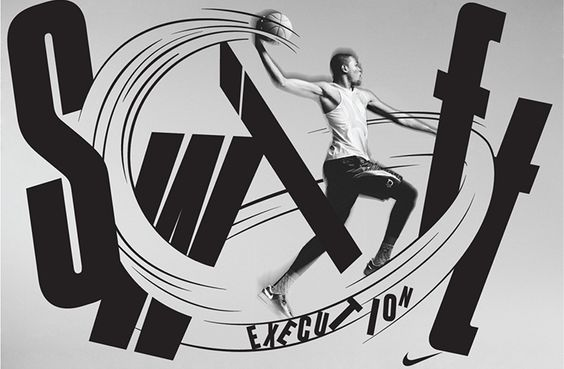
Typography takes center stage in 2025. Oversized, bold letterforms serve as primary design elements rather than just communication tools. Custom and variable fonts allow brands to create truly unique typographic identities.
Expect to see experimental type treatments, kinetic typography in digital applications, and type that interacts with other design elements in surprising ways. Typography becomes art, with letters distorted, animated, and layered to create visual impact.
Gradients continue evolving with more complex, vibrant color combinations. The flat, two-color gradients of recent years give way to rich, multi-hue transitions that create depth and visual interest. Gradient meshes and aurora-like color flows add organic feel to digital designs.
These aren't the harsh gradients of earlier decades. Modern gradients are sophisticated, often using analogous colors that flow naturally. They add dimension without the weight of traditional depth effects.
Three-dimensional design elements continue growing in popularity, from subtle 3D icons to fully rendered scenes. Improved software accessibility makes 3D creation feasible for more designers, not just specialists.
Interactive 3D on websites, augmented reality experiences, and three-dimensional product visualizations blur the line between graphic design and experiential design. Brands use immersive elements to create memorable interactions.
Stock photography featuring obviously staged scenarios gives way to authentic, diverse imagery that reflects real people and real situations. Audiences connect more deeply with visuals that feel genuine rather than artificially perfect.
Inclusive design goes beyond surface representation to consider accessibility and diverse perspectives throughout the creative process. Designs work for users across abilities, ages, and backgrounds.
Environmental consciousness influences design choices from color palettes inspired by nature to packaging designed for minimal waste. Brands communicate sustainability commitments through visual language, using earthy tones, organic shapes, and eco-friendly materials.
Digital sustainability also gains attention, with designers considering the environmental impact of file sizes, server loads, and device energy consumption. Efficient design becomes an ethical consideration.
Nostalgia continues influencing design, but 2025's retro references feel fresh rather than purely imitative. Designers blend vintage aesthetics with contemporary techniques, creating styles that feel familiar yet new.
Expect references to 1970s typography, 1990s digital aesthetics, and Y2K futurism filtered through modern sensibilities. The result is designs that trigger emotional connection through nostalgia while remaining clearly contemporary.
Static design increasingly gives way to motion. Animated logos, moving illustrations, and micro-interactions enhance user experience and capture attention in scroll-heavy environments. Even traditional brands incorporate subtle motion into digital presences.
Motion design skills become essential for graphic designers working in digital spaces. Understanding timing, easing, and animation principles adds crucial dimension to design capabilities.
Abstract shapes, artistic flourishes, and hand-crafted elements counter the precision of digital tools. Imperfect lines, painterly textures, and organic forms add warmth and humanity to designs that might otherwise feel clinical.
This trend reflects desire for authentic human expression in increasingly AI-influenced creative landscapes. Hand-drawn elements signal craftsmanship and individuality.
Trends should inspire, not dictate. Blindly following every trend creates designs that quickly feel dated. The best approach incorporates relevant trends that align with brand identity while maintaining timeless design principles.
Consider which trends make sense for your specific audience and goals. A cutting-edge tech startup might embrace bold experimentation, while an established law firm might incorporate trends more subtly.
Design trends reflect the cultural moment. Understanding them helps brands communicate effectively with contemporary audiences. But lasting design balances current aesthetics with authentic brand expression.
Want to refresh your brand with current design trends? At Extatic Design, we create designs that feel fresh and contemporary while building lasting brand equity. Contact us today to discuss how we can update your visual identity with trends that make sense for your brand. Let's create something that looks current today and stays relevant tomorrow!