Category: Branding & Design
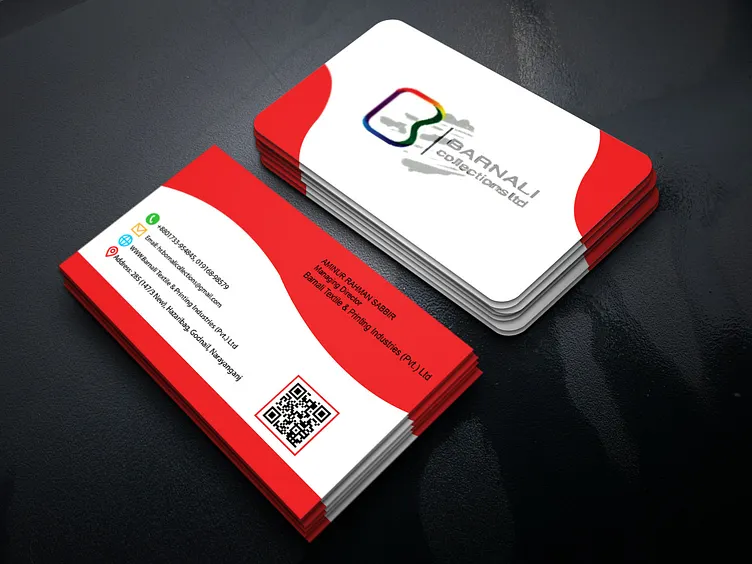
In our digital age, some might consider business cards outdated. But step into any networking event, conference, or business meeting, and you'll quickly see that business cards remain essential. They're tangible representations of your brand that people can hold, keep, and refer back to long after your conversation ends.
At Extatic Design, we create business cards that make memorable first impressions. Let's explore what makes a business card effective and how to design cards that truly represent your brand.
A business card is often the first physical item someone receives from your business. It's a miniature billboard for your brand that communicates your professionalism, attention to detail, and the quality people can expect from working with you.
According to Adobe, 72% of people judge a company by the quality of their business cards. A cheap, poorly designed card can undermine your credibility before you even begin a conversation. Conversely, a well-designed card sets a positive tone and makes you memorable.
Every business card needs certain core information, but what you include depends on your business and how you want people to contact you.
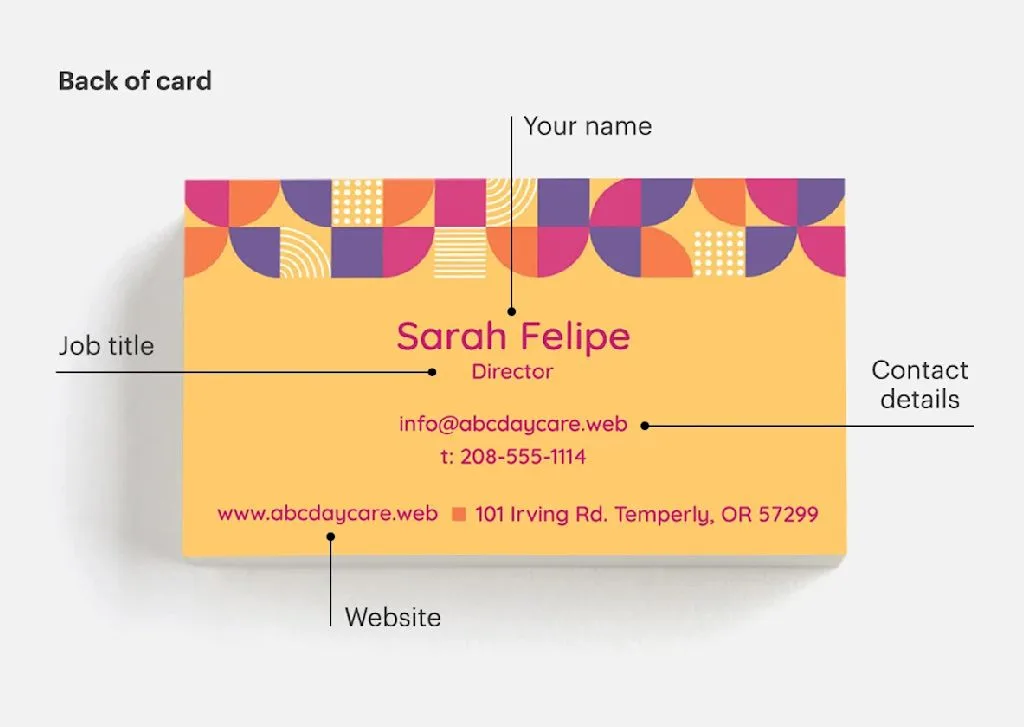
Must-Have Elements: Your name, job title or role, company name, and at least one contact method. Most cards include phone number, email address, and website.
Optional Elements: Physical address (if relevant to your business), social media handles, QR code linking to your website or portfolio, tagline or brief description of services.
Resist the urge to cram everything onto your card. A cluttered card is hard to read and looks unprofessional. Include only the information that's most relevant for how you want people to reach you.
Good business card design balances aesthetics with functionality. Your card should look great while remaining easy to read and aligned with your brand.
Visual Hierarchy: Guide the reader's eye through the information in order of importance. Typically, your name or logo should be most prominent, followed by your role and contact details.
White Space: Don't fill every inch of the card. White space makes your design feel clean and professional while improving readability.
Legibility: Use fonts that are easy to read at small sizes. Avoid overly decorative fonts for contact information. Ensure sufficient contrast between text and background.
Brand Consistency: Your business card should feel like part of your overall brand identity. Use your brand colors, fonts, and logo consistently with other materials.
The standard business card size is 3.5 x 2 inches in the United States. This size fits perfectly in wallets and card holders, making it practical for recipients to keep.
While non-standard sizes and shapes can make your card stand out, they come with trade-offs. Oversized cards may not fit in wallets. Unusual shapes might get bent or discarded. If you deviate from standard sizing, make sure it serves a purpose and aligns with your brand personality.
The paper you choose affects how your card looks and feels. Heavier card stock feels more substantial and premium. The finish affects the visual appearance and durability.
Matte Finish: Smooth, non-reflective surface that feels sophisticated and is easy to write on. Great for minimalist designs.
Glossy Finish: Shiny surface that makes colors pop and photos look vibrant. More resistant to fingerprints and wear but can be harder to read under certain lighting.
Soft-Touch/Velvet Finish: A luxurious, velvety texture that creates a memorable tactile experience. Popular for premium brands.
Specialty Options: Embossing, foil stamping, letterpress, and die-cutting can add visual and tactile interest but increase costs.
You have two sides to work with, so use them strategically. Many designs place the logo and name on the front with contact details on the back. Others use the back for a visual element, tagline, or list of services.
Leaving the back blank is also a valid choice, giving recipients space to write notes about where they met you or what you discussed. Consider what would be most useful for your specific networking situations.
Avoid these frequent errors that undermine otherwise good designs:
Once your design is finalized, choose a quality printer. While budget online printers can work for basic cards, premium printing services deliver noticeably better results for cards with specialty finishes or complex designs.
Always order a proof or sample before printing your full run. Colors can look different on screen than in print, and catching errors before you print hundreds of cards saves time and money.
Your business card is a small but powerful branding tool. A well-designed card communicates professionalism, reinforces your brand identity, and helps ensure people remember you long after your first meeting.
Need business cards that make an impression? At Extatic Design, we create custom business card designs that perfectly represent your brand. Contact us today to discuss your business card project. From concept to print-ready files, our team will design cards you'll be proud to hand out. Make every introduction memorable!