Category: Branding & Design

In an age of digital contacts and LinkedIn connections, business cards still matter. A great business card creates a tangible reminder of your meeting, makes you memorable, and conveys professionalism. But most business cards end up in the trash within a week. How do you create one that people actually keep?
At Extatic Design, we design business cards that stand out from the pile. Let's explore how to create cards that make lasting impressions and stay out of the recycling bin.
Digital networking is convenient, but it lacks the personal touch of a physical exchange. According to Adobe, 72% of people judge a company by the quality of their business cards. A card creates a physical anchor for your meeting, something tangible that triggers memory of your conversation.
Business cards also work when technology doesn't. No battery dies, no app crashes, no connection needed. In seconds, you've shared your complete contact information in a format that's universally understood.
Before getting creative, ensure your card includes what people need: your name, title, company name, phone number, email, and website. Consider which contact methods you actually want people to use. If you prefer email over phone, make email more prominent.
Social media handles matter in some industries more than others. Include them if relevant to how you do business. A QR code linking to your portfolio or LinkedIn can bridge physical and digital networking.
<Card stock matters more than you might think. Flimsy cards feel cheap and forgettable. Thick, quality cardstock communicates professionalism and attention to detail before anyone reads a word.
Standard business cards use 300 to 350 gsm cardstock, but premium options go thicker. Consider textured papers, recycled materials, or unusual substrates like cotton, wood, or metal for truly memorable cards. The material should match your brand personality.
Every design element should be intentional. Your logo should be prominent and clear. Typography should be readable at small sizes; avoid overly decorative fonts that sacrifice legibility. Colors should align with your brand identity.
White space isn't wasted space. Crowded cards feel overwhelming and amateurish. Give elements room to breathe. A clean, well-organized card is easier to read and looks more professional than one crammed with information.
Special printing techniques make cards memorable through touch and visual interest.
Spot UV: Adds glossy coating to specific areas, creating contrast between shiny and matte surfaces.
Embossing and Debossing: Raises or presses elements into the paper, adding tactile dimension.
Foil Stamping: Applies metallic foil for eye-catching shine on logos or text.
Letterpress: Creates subtle impressions in the paper with classic, crafted feel.
Die Cutting: Creates custom shapes or cutouts that stand out from rectangular cards.
Standard business cards measure 3.5 by 2 inches, but nothing requires that shape. Square cards, rounded corners, folded cards, or custom die-cut shapes immediately differentiate you from the stack of identical rectangles.
Consider whether unusual shapes fit your brand. A creative agency can embrace unconventional formats; a law firm might want to stick with classic proportions. Memorability matters, but appropriateness matters too.
!-- IMAGE PLACEHOLDER: Add business card design essentials image here -->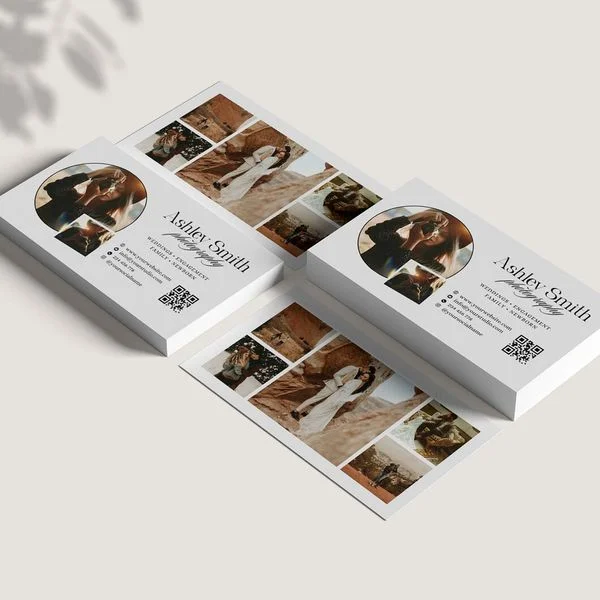
Cards that serve additional purposes get kept longer. A card that doubles as a bookmark, ruler, bottle opener, or seed packet provides ongoing utility beyond contact information. Even a useful tip or reference chart on the back adds value.
These functional additions work best when they relate to your business. A landscaper's seed card makes sense; a banker's seed card feels random. Utility should reinforce your brand message.
Single-sided cards waste valuable real estate. Use the back for additional information, imagery, or design elements. A striking image, pattern, or message on the back creates surprise when someone flips the card over.
Leave some blank space on the back if people commonly write notes on cards in your industry. Conference networkers often jot context notes; giving them space to do so makes your card more useful.
Your business card should feel like a natural extension of your brand identity. Design style, colors, typography, and materials should align with how you present yourself elsewhere. A card that contradicts your website or marketing materials creates confusion.
A memorable business card extends your first impression long after the initial meeting. Through quality materials, thoughtful design, and strategic creativity, your card can become a lasting reminder of who you are and what you offer.
Ready for business cards that make impressions last? At Extatic Design, we create custom business cards that people actually want to keep. Contact us today to discuss your business card design. Let's create something memorable that represents your brand beautifully!